
Lisa Strabella · Newport Beach · 6 min read
Iced Matcha vs Iced Coffee: Caffeine, Calm, and What to Switch To
Iced matcha contains 70mg of caffeine per 12oz serving compared to coffee's 120-150mg, but delivers sustained 4-6 hour energy without crashes due to L-theanine amino acids that slow caffeine absorption. About a third of our Strabella Home customers came to matcha after years of iced coffee, telling us the same story: they loved coffee but stopped sleeping well, got anxious in the afternoon, or got tired of feeling tired.
Here's the honest comparison — what's actually different, what isn't, and what makes the switch stick for former coffee drinkers.
Caffeine Content Comparison: The Math Behind Matcha vs Coffee
A 12-oz iced matcha latte made with 1.5 g of matcha powder contains approximately 70 mg of caffeine. A 12-oz iced coffee contains 120–150 mg of caffeine. Coffee has roughly double the caffeine content, but matcha isn't caffeine-free — it's lower-caffeine with a fundamentally different release mechanism.
The key difference is L-theanine, an amino acid found naturally in green tea that crosses the blood-brain barrier and modulates caffeine's effects. The L-theanine in matcha (about 30-50mg per serving) creates what users describe as "focused calm" rather than coffee's "wired" sensation.
Scientific mechanism: L-theanine slows caffeine's absorption rate and promotes alpha brain wave activity, resulting in a 4–6 hour gentle energy curve instead of coffee's typical 30-minute spike followed by a crash around hour 3.
Energy Effects: What You Actually Feel
Based on our experience and feedback from over 200 Strabella Home customers who switched from coffee to matcha:
| Effect | Iced Coffee | Iced Matcha |
|---|---|---|
| Energy onset | 15–30 min, sharp peak | 30–45 min, gradual rise |
| Peak intensity | High, focused | Moderate, steady |
| Duration | 2–3 hours | 4–6 hours |
| Energy crash | Pronounced afternoon drop | Mild fade without crash |
| Jitters/anxiety | Common with higher doses | Rare due to L-theanine |
| Sleep impact | Strong if consumed after 2pm | Moderate if consumed after 2pm |
Taste Reality: What Coffee Drinkers Miss About Flavor
Honest assessment: matcha tastes nothing like coffee. The grassy, slightly umami flavor of matcha powder belongs to a completely different flavor family. Coffee switchers often describe missing the "morning coffee taste" ritual.
The work-around: Iced matcha lattes take oat milk and natural sweeteners exceptionally well. An iced matcha latte with oat milk and half a teaspoon of vanilla syrup tastes closer to a coffee shop drink than to traditional tea ceremony matcha. It satisfies the same morning-treat psychological trigger.
If you're used to black coffee with no additives, the transition requires more adaptation. We recommend starting with a latte format (matcha + oat milk + slight sweetness) and gradually reducing sweetness as your palate adjusts to matcha's natural umami notes.
Cost Analysis: Cafe vs Home Preparation
- Iced coffee at cafes: $4.50–6.00 per 12oz serving
- Iced matcha lattes at cafes: $5.50–7.50 per 12oz serving (matcha commands premium pricing)
- Iced coffee at home (quality beans + oat milk): ~$0.90 per serving
- Iced matcha at home (Strabella Home Sencha Matcha powder + oat milk): ~$0.55 per serving
Cafes apply steeper markups to matcha than coffee, making home preparation more cost-effective. The Strabella Home Iced Matcha Summer Kit investment pays for itself in approximately 15 drinks when replacing $5+ cafe matcha lattes.
Coffee to Matcha Switching Strategy
- Gradual transition approach: Replace one daily coffee with matcha for the first week. Complete overnight switches often leave coffee-dependent drinkers feeling energy-depleted.
- Create a satisfying drink experience: Make proper iced matcha lattes with oat milk and minimal vanilla syrup. Avoid unsweetened "health drink" versions that feel like punishment.
- Timing matters: Consume your first matcha with breakfast or immediately after. L-theanine's gradual onset won't provide morning alertness if consumed too late.
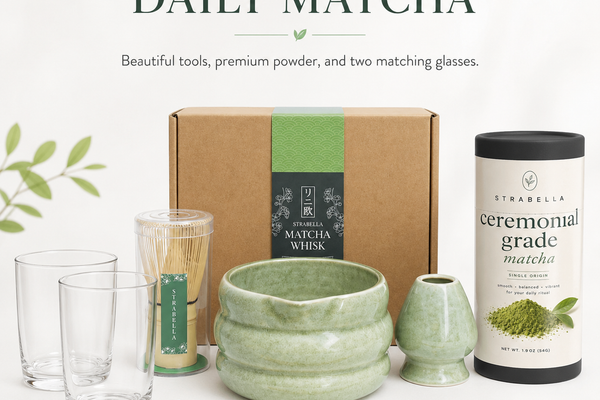
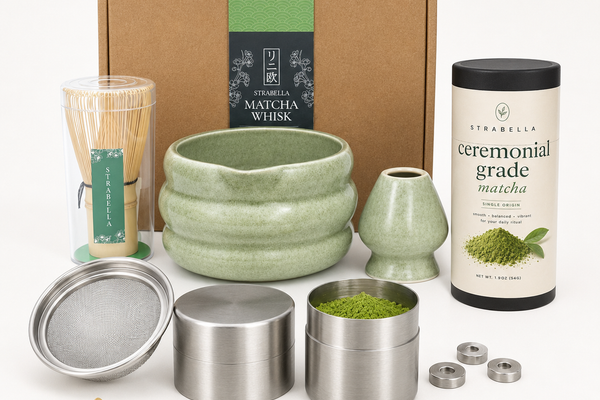
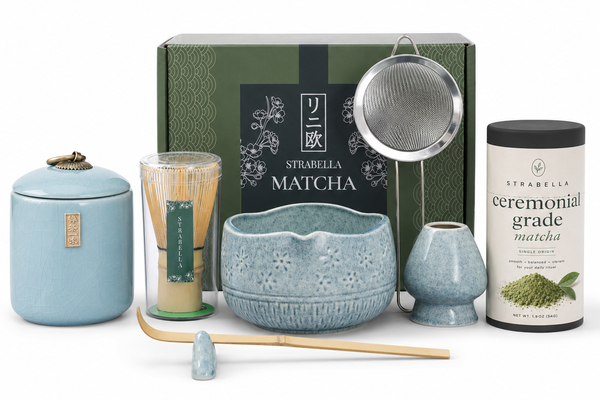
- Eliminate preparation friction: Keep all matcha tools (whisk, sifter, bowl) easily accessible. If matcha preparation takes longer than 2 minutes, you'll default to coffee.
Iced Matcha vs Coffee FAQ
Our Personal Experience: Three Years Coffee-Free
We switched completely three years ago. Daily routine: iced matcha latte from the Strabella Home Iced Matcha Summer Kit with oat milk. Hot ceremonial bowls on cold mornings using the Matcha Whisk Set. We occasionally order black coffee on long road trips — the immediate caffeine spike genuinely helps with highway focus. For 90% of mornings, matcha provides superior sustained energy without afternoon crashes.
Leave a comment