
Updated on: 2026-01-12
Ready to streamline your kitchen and cut waste without sacrificing style or performance? This guide shows you how to build smarter cooking and cleaning routines with durable, reusable tools. You’ll learn how to swap single-use items for long-lasting alternatives and set up systems that make low-waste living effortless. We also spotlight trusted picks and customer-loved gear that fit a modern, minimalist home. If you’re searching for eco-friendly kitchen products that look good and work hard, you’re in the right place.
- 1. How-To Guide: Upgrade to eco-friendly kitchen products in 7 simple steps
- 1.1 Step 1: Audit what you use most
- 1.2 Step 2: Replace single-use with durable basics
- 1.3 Step 3: Choose long-lasting prep tools
- 1.4 Step 4: Rethink drying and cleaning
- 1.5 Step 5: Build a low-waste beverage ritual
- 1.6 Step 6: Organize for visibility and easy habits
- 1.7 Step 7: Maintain, repair, and recycle
- 2. Common Questions Answered
- 2.1 What makes a kitchen swap genuinely sustainable?
- 2.2 How do I start without replacing everything at once?
- 2.3 Will these choices save money over time?
- 3. Summary & Next Steps
- 4. About the Author Section
- 4.1 Strabella-Home Editorial Team
Small changes in the kitchen can lead to big wins for your home and budget. When you upgrade thoughtfully, your countertops look cleaner, your tools last longer, and daily tasks feel easier. This article focuses on practical swaps and real-life routines, so you can start today and see results fast. We’ll keep the process simple, highlight durable gear, and share shopper-approved picks that integrate seamlessly with a busy lifestyle.
How-To Guide: Upgrade to eco-friendly kitchen products in 7 simple steps
Step 1: Audit what you use most
Start with a quick, honest look at your daily habits. Which tools touch your hands every day—cutting boards, drying mats, beverage gear, storage containers? Place the items you reach for on the counter and ask three questions: Does it last? Is it easy to clean? Does it reduce waste compared to alternatives? This 10-minute audit reveals the high-impact swaps that give you instant benefits—less clutter, stronger performance, and fewer repeat buys. Keep a short list of top targets and set a realistic monthly plan to replace them gradually.
Step 2: Replace single-use with durable basics
Paper towels, flimsy scrubbers, and disposable liners disappear fast and force repeat purchases. Trade them for sturdy, washable options like microfiber cloths, cellulose sponges, silicone baking mats, and airtight containers. The goal is simple: stop buying what you throw away and invest in what you can wash, reuse, and rely on. You’ll notice immediate gains in tidiness and consistency, and you’ll spend less time restocking. Durable basics set the tone for a calmer, cleaner kitchen that supports your routine instead of draining it.
Step 3: Choose long-lasting prep tools
Your prep station is the heart of the kitchen, so build it around pieces that resist wear. A solid cutting surface minimizes warping and stands up to busy weeknights. Consider upgrading your board to a premium, resilient option like this titanium cutting board. Customers appreciate its sturdy feel and easy cleanup after slicing produce, bread, or proteins. When your foundational gear stays flat, steady, and dependable, your knives work better and meal prep is faster. That’s the kind of everyday reliability that makes home cooking a pleasure.
Step 4: Rethink drying and cleaning
Countertop puddles and soggy towels slow you down. A quick win is a dedicated drying surface that absorbs water efficiently and keeps dishes stable. A popular, low-profile option is a washable mat you can roll, rinse, and reuse. Try the sleek, easy-care dark gray dish drying mat to keep your sink area tidy. Many buyers mention they love the soft landing for glassware and the clean look when it’s laid flat next to the basin. With a dependable mat, drying becomes hands-off, freeing you to move on to your next task.
Step 5: Build a low-waste beverage ritual
Daily drinks add up—so make your ritual efficient and reusable. Swap single-serve pods and disposable stirrers for tools you can keep for years. A calm morning routine can start with a simple whisk and a bowl that’s easy to rinse. The bamboo whisk set pairs beautifully with high-quality powder blends, helping you mix smoothly without clutter. For a vibrant, pantry-friendly option, consider matcha powder. When your drinkware and tools are reusable, cleanup is quick, and your countertop feels intentionally curated.
Step 6: Organize for visibility and easy habits
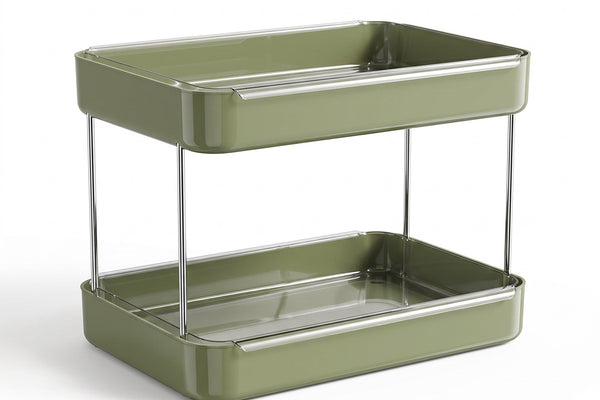
Sustainable habits stick when tools are visible and within reach. Store your most-used items—cutting board, drying mat, mixing bowl, whisk—at eye level or on a tidy rail. Use shallow bins or drawer inserts to keep refills and cloths sorted by task. Label lightly, so anyone in your home knows where things live. The result is a workspace that invites you to cook and clean as you go. When the right item is always in the right place, you’ll use it more often and avoid impulse purchases you don’t need.
Looking for the real thing?
If you want the matcha set with bamboo whisk + ceramic bowl, from our family-run studio in Newport Beach, shipping within 1 business day — see the Strabella Matcha Tea Set.
Shopping for a gift? Browse our best sellers — shipped from our Newport Beach studio within 1 business day.
Step 7: Maintain, repair, and recycle
Extending product life is the fastest path to a lower-impact kitchen. Create a simple monthly routine: wash on gentle settings, air dry when possible, and follow care tips on product pages. If something wears down, check whether a small repair—or a replacement part—can extend its life. Keep a small bin for end-of-life items and research local recycling guidelines for textiles, metals, or silicone. This habit protects your investment and ensures that when a product reaches the finish line, you handle it responsibly.
Common Questions Answered
What makes a kitchen swap genuinely sustainable?
Focus on longevity, reusability, and performance. A smart swap either reduces disposables, consolidates multiple gadgets into one dependable tool, or stands up to heavy use without frequent replacements. Look for items you’ll reach for every day: a stable cutting surface, an absorbent drying mat, airtight storage, and well-made utensils. When a product consistently does its job and keeps clutter down, it supports a greener routine and a calmer cooking flow.
How do I start without replacing everything at once?
Prioritize the pieces you use daily, then expand. Start with a top-quality board or a washable drying mat, and reinforce that win by organizing the area around it. Next, choose one weekly ritual—like your morning drink—and make it reusable with a whisk and a bowl you love. This staggered approach builds momentum, keeps your budget steady, and ensures each upgrade solves a real problem in your home.
Will these choices save money over time?
Many shoppers find that durable tools reduce repeat buys and last through heavy use, which can lower long-term costs. The big savings come from replacing disposables with washable alternatives and consolidating gadgets you rarely use. While every home is different, consistent care—gentle washing, proper storage, and occasional maintenance—helps quality items perform longer, so you buy less and enjoy more reliable results.
Summary & Next Steps
The smartest kitchen upgrades are simple: buy fewer, better items and keep them in easy reach. Start with a durable prep surface, add a dependable drying setup, and elevate your daily beverage routine with reusable tools. Organize for visibility, maintain what you own, and recycle responsibly. Your next move: pick one upgrade from the steps above and set it up this week. If you’re ready to move fast, choose a reliable board, pair it with a washable mat, and add a whisk-and-bowl set—three changes that deliver a cleaner counter and a calmer routine right away.
About the Author Section
Strabella-Home Editorial Team
Written by Strabella-Home, a team focused on practical home upgrades that blend performance, longevity, and style. We test and curate products for busy households seeking low-waste routines and clutter-free counters. Thanks for reading—wishing you a smoother, more joyful kitchen experience.

Leave a comment