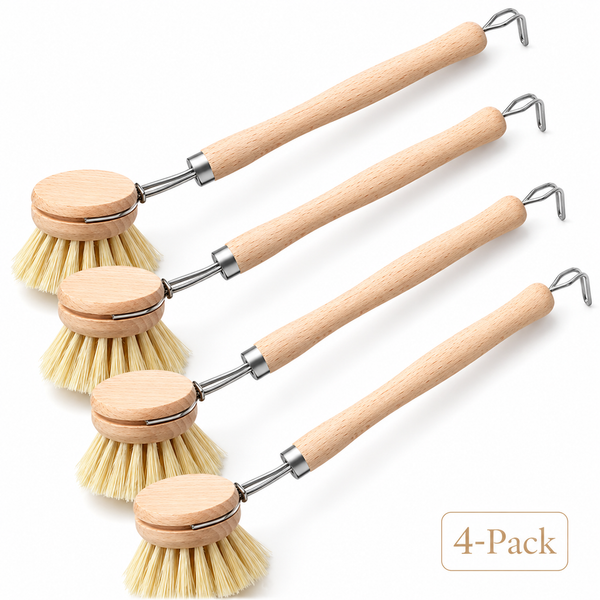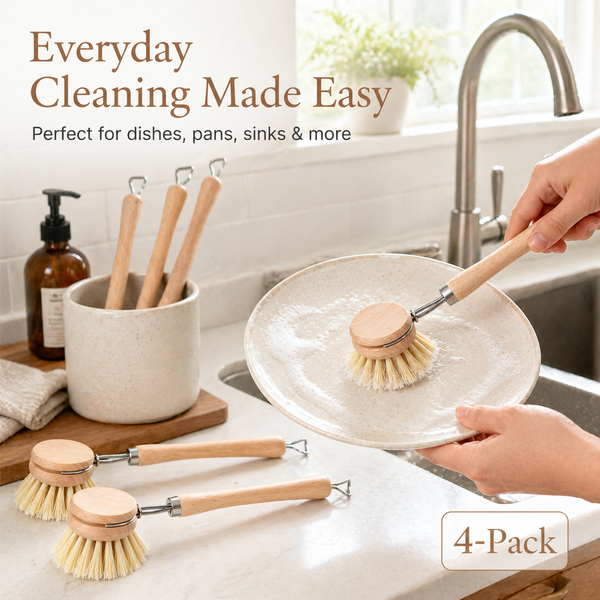
Beechwood kitchen utensils are hardwood tools made from European beech trees, prized for their dense grain structure and natural antimicrobial properties. When choosing kitchen utensils, the material directly impacts durability, maintenance, and cooking performance—making this decision crucial for both everyday cooks and culinary enthusiasts.
Beechwood vs Bamboo: Durability and Grain Structure
Beechwood offers superior density compared to bamboo, with a tight grain that resists splitting under heavy use. Bamboo utensils, while eco-friendly, tend to develop rough edges after 6-12 months of regular washing. Beechwood maintains its smooth surface longer, typically lasting 2-3 years with proper care.
The key difference lies in moisture resistance. Beechwood's natural oils provide better protection against water damage, while bamboo can become brittle when repeatedly soaked and dried.
Beechwood vs Silicone: Heat Performance
Beechwood handles heat up to 400°F without damage, making it suitable for most stovetop cooking. Silicone utensils can withstand higher temperatures (up to 500°F) but lack the rigid structure needed for heavy stirring or scraping tasks.
For texture, beechwood provides firm control when mixing thick batters or sautéing vegetables, while silicone flexes under pressure. However, silicone won't scratch non-stick surfaces, whereas beechwood requires careful use on delicate coatings.
Beechwood vs Stainless Steel: Maintenance and Feel
Stainless steel utensils are dishwasher-safe and virtually indestructible, but they conduct heat rapidly and can damage cookware surfaces. Beechwood stays cool during cooking and protects pan finishes, but requires hand-washing and occasional oiling.
Steel utensils excel in precision tasks like flipping or cutting, while beechwood works better for stirring, mixing, and gentle scraping without gouging.
Cost and Longevity Comparison
Beechwood utensils typically cost $15-25 for a basic set, falling between bamboo ($8-15) and quality stainless steel ($25-40). The real value comes from replacement frequency—beechwood lasts longer than bamboo but requires more care than steel.
For busy kitchens prioritizing convenience, stainless steel wins on durability. For gentle cooking and natural materials, beechwood offers the best balance of performance and maintenance.
When to Choose Each Material
Choose beechwood if: You cook frequently with non-stick or enameled cookware, prefer natural materials, and don't mind hand-washing utensils.
Choose bamboo if: Environmental impact is your priority and you're willing to replace utensils more frequently.
Choose silicone if: You frequently cook at high temperatures and want completely non-stick safe options.
Choose stainless steel if: You want maximum durability, dishwasher convenience, and precision cutting or scraping performance.
Frequently Asked Questions
Q: How long do beechwood kitchen utensils typically last?
A: With proper care, beechwood utensils last 2-3 years of regular use, significantly longer than bamboo but requiring more maintenance than stainless steel.
Q: Can beechwood utensils go in the dishwasher?
A: No, beechwood should be hand-washed only. Dishwasher heat and harsh detergents will crack and warp the wood within several cycles.
Q: Do beechwood utensils harbor bacteria more than other materials?
A: Beechwood has natural antimicrobial properties, but proper cleaning and drying are essential. They're generally safer than plastic but require more care than stainless steel.
Q: What's the best way to maintain beechwood kitchen utensils?
A: Wash immediately after use, dry completely, and apply food-safe mineral oil monthly to prevent cracking and maintain the wood's natural moisture barrier.
Strabella Editorial
Written by the Strabella Home & Kitchen editorial team — practical, tested buying guidance from our product catalog and hands-on category expertise.
Leave a comment