

Matcha vs Green Tea: Complete Comparison Guide 2024
Same plant. Different parts. Very different drinks.
Matcha vs green tea difference: Both beverages come from Camellia sinensis, but matcha uses stone-ground whole leaves consumed as powder, while green tea steeps loose leaves that are discarded. This fundamental processing difference creates distinct caffeine levels, flavor profiles, and preparation methods that affect your daily tea experience.
The way each is grown, harvested, and prepared changes everything — flavor, caffeine content, the way it makes you feel, and what it costs for your daily tea ritual.
Key Difference: Whole Leaf vs Steeped Extract
Green tea preparation: You steep whole or broken leaves in hot water for 3-5 minutes, then discard the leaves. You're drinking the water-soluble compounds that leached out — approximately 30% of the leaf's total nutrients.
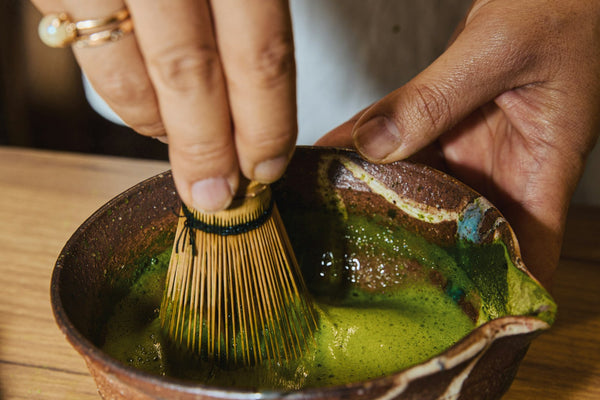
Matcha preparation: You whisk the entire leaf (stone-ground into fine powder) into water and drink the suspension. You're consuming 100% of what was in the leaf — including fat-soluble compounds like chlorophyll and beta-carotene that don't dissolve in water.
This consumption difference explains the distinct caffeine levels, antioxidant concentrations, and price points between these Strabella Home tea offerings.
Caffeine Content and L-Theanine Comparison
One 8 oz serving contains:
Matcha (1 tsp powder):
- 70mg caffeine (2x stronger than green tea)
- 30mg L-theanine (6x higher than green tea)
Green tea (1 tea bag):
- 30-50mg caffeine (half of coffee's 95mg)
- 5-10mg L-theanine
L-theanine is an amino acid that crosses the blood-brain barrier and increases alpha brain wave activity. The 2:1 ratio of caffeine to L-theanine in matcha produces the "calm focus" effect — caffeine provides alertness while L-theanine smooths the energy spike.
Coffee contains caffeine but minimal L-theanine, which explains coffee jitters versus matcha's sustained energy without crashes.
Visual and Taste Profile Differences
Appearance
Green tea: Pale yellow-green liquid, clear or slightly cloudy depending on steeping time.
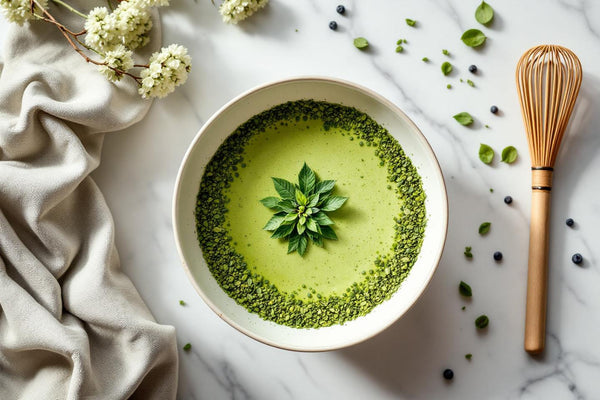
Matcha: Opaque, vibrant emerald green, almost neon appearance. The opacity comes from suspended leaf particles — you're drinking the entire ground leaf, not an extract.
Flavor Profile
Green tea taste: Clean, vegetal, sometimes grassy notes. Over-steeping (too hot or too long) creates bitterness from tannin release.
Matcha taste: Thicker mouthfeel, umami-forward with natural sweetness (ceremonial-grade) or grassy-bitter notes (culinary-grade). Always more concentrated and complex than green tea.
Preparation Time and Ritual Differences
Green Tea: Quick and Simple
Total time: 3-5 minutes. Boil water, add tea bag or loose leaf, steep 3 minutes, remove leaves, drink. No special equipment required.
Matcha: Mindful Preparation
Total time: 5-7 minutes active preparation. Sift powder, warm the matcha bowl, create paste, whisk in W-motion, add remaining water, drink within 2 minutes for optimal taste.
The deliberate preparation is part of matcha's appeal. Many users report that the mindful ritual helps start their day with intention. Here's our 90-second matcha routine.
When Green Tea Is the Better Choice
- Budget considerations: Green tea costs $0.05–$0.15 per cup versus matcha's $0.50–$2.50 per serving
- Time constraints: 3 minutes total preparation time, no whisking required
- Multiple daily servings: Easier to consume 4 cups of green tea during work hours than 4 bowls of matcha
- Lower caffeine needs: When 30-50mg caffeine provides sufficient energy boost
- Hot weather: Green tea can be easily cold-brewed for refreshing iced versions
When Matcha Delivers Superior Results
- Deep work sessions: The L-theanine + caffeine combination provides 3-4 hours of sustained focus without energy crashes
- Taste experience: Ceremonial-grade matcha offers complex umami flavors unmatched by green tea
- Morning ritual preference: The meditative preparation appeals to those seeking mindful morning routines
- Gift giving: A complete Strabella matcha set makes a memorable gift versus basic tea bags
- Antioxidant maximization: Consuming whole leaves provides higher EGCG and catechin levels
Daily Usage Strategy: Combining Both Teas
Most dedicated tea drinkers use both matcha and green tea strategically throughout their day:
- Morning focus sessions: Matcha for sustained concentration (especially Sunday slow starts)
- Mid-morning work blocks: Matcha when deep work requires extended attention
- Afternoon refresher: Green tea for lighter energy without evening sleep disruption
- Evening wind-down: Hojicha (roasted green tea with 75% less caffeine)
Beginner Matcha Setup
Starting Your Matcha Journey with Strabella Home
The Strabella Matcha Tea Set includes an authentic ceramic bowl, bamboo whisk, and wooden stand for $45.00. Add ceremonial-grade matcha at checkout to skip the "where do I find quality matcha" research phase.
Browse our complete matcha collection featuring three matcha grades at different price points, allowing you to match quality to consumption frequency. (See our ceremonial vs culinary matcha guide for grade selection help.)
Frequently Asked Questions
Is matcha stronger than green tea?
Yes, matcha contains approximately 70mg caffeine per serving compared to green tea's 30-50mg. Matcha also provides 6x more L-theanine, creating sustained energy without jitters.
Can I drink both matcha and green tea in the same day?
Absolutely. Many tea enthusiasts use matcha for morning focus sessions and green tea for afternoon refreshers, staying within healthy daily caffeine limits (400mg maximum).
Why does matcha cost more than green tea?
Matcha requires shade-growing for 3-4 weeks before harvest, hand-picking young leaves, and stone-grinding into fine powder. This labor-intensive process costs significantly more than standard green tea production.
Which is better for weight loss, matcha or green tea?
Both contain metabolism-boosting catechins, but matcha provides higher concentrations since you consume the entire leaf. However, green tea's lower cost makes it more sustainable for daily consumption.
Do matcha and green tea taste the same?
No. Green tea has a light, clean taste, while matcha offers complex umami flavors with natural sweetness (ceremonial grade) or vegetal intensity (culinary grade). Matcha has a thicker, more substantial mouthfeel.
Quick Setup FAQ
More matcha guides
— Lisa Strabella, co-founder
Strabella Home, Newport Beach
The beginner's matcha guide
The 8-page PDF that breaks down why matcha clumps, the three fixes, the right tools, and 5 iced recipes. Free, one email, unsubscribe in a click.
No spam. One welcome email + the PDF. From Lisa, Strabella.
See also
Leave a comment